
Airbnb’s Expansion into Experiences: Market Research Case Study


Airbnb's journey into “Experiences” is a masterclass in market research and innovation. Originally known for connecting travelers with unique lodging, Airbnb's platform evolved when the company identified an unmet need in the travel industry—travelers were looking for more than just accommodation; they craved authentic, personalized experiences that would make their trips memorable.
Airbnb’s foray into “Experiences” is an illustrative example of how companies might leverage market research to innovate and diversify.
Identifying the Market Gap
From an outside perspective, it seems Airbnb may have recognized a significant travel trend. Modern travelers, particularly younger demographics, were shifting from traditional tourism toward activities that offered immersion and cultural connection. This insight likely emerged from studies showing that travelers valued unique experiences—cooking with locals, learning regional crafts, or discovering lesser-known cultural aspects. With this information, Airbnb might have identified a gap: the demand for curated, authentic experiences versus the availability of more generic, pre-packaged tours from traditional providers.
It is also worth noting that in this era of social media and GenZ, it was bound to happen since it is important to live that #InstaLife. There is a lot of pressure on newer generations to live up to expectations of their peers digitally. Hence, induction of services like “Experiences” was a no brainer.
The Development of Airbnb Experiences
With these insights in mind, Airbnb launched "Experiences" in 2016. The platform enabled locals, or “hosts,” to offer unique activities, leveraging their personal skills, knowledge, or passion. Hosts could create experiences around a vast range of interests—anything from cooking classes to guided hikes to photography tours, or even a walk through an artist’s neighborhood.
This initiative expanded Airbnb’s market beyond just accommodation. Now, they had two core offerings: stays and experiences, both aimed at broadening their services and immersing travelers in local culture and lifestyles.

Market Research Techniques Used
Airbnb’s strategy was driven by a mix of quantitative and qualitative research:
1. SWOT Analysis
Strengths, Weaknesses, Opportunities, Threats (SWOT) analysis is a foundational tool that could help Airbnb assess internal and external factors influencing its expansion:
Strengths: Airbnb could examine its brand recognition and customer base for unique travel offerings, leveraging its trust with users as a key advantage.
Weaknesses: Limited experience in non-accommodation services could be a consideration.
Opportunities: The rise in demand for cultural experiences presents an opportunity to diversify and meet untapped needs.
Threats: Airbnb would need to assess competition from tour companies and similar services to differentiate its offerings.
By mapping out these factors, Airbnb could make data-driven decisions on whether expanding into “Experiences” would add value and enhance its overall market position.
2. Porter’s Five Forces Analysis
Porter’s Five Forces helps companies analyze their competitive environment. Airbnb may have used this framework to evaluate whether entering the experiences market would be strategically sound:
Competitive Rivalry: Airbnb likely analyzed traditional tour operators, tour booking platforms, and emerging experiential apps to gauge the intensity of competition.
Threat of New Entrants: They would have considered how easy it might be for new or existing players to offer similar experiences.
Supplier Power: Airbnb may have evaluated the availability and willingness of hosts to offer unique experiences on the platform.
Buyer Power: Analyzing whether travelers might demand high-quality, affordable experiences could help Airbnb set competitive pricing.
Threat of Substitutes: Examining alternatives like DIY tours, travel blogs, or local guides could highlight areas for Airbnb to distinguish itself.
This framework could help Airbnb understand if “Experiences” had sustainable potential by weighing the risks and rewards of competitive pressures.
3. Voice of the Customer (VoC)
Voice of the Customer methodologies could have provided direct insights from Airbnb’s core users:
Surveys and Interviews: Airbnb might conduct structured surveys to identify what users felt was missing in their travel experiences. Questions could focus on what made travel memorable or gaps they found in conventional tour options.
Customer Feedback Loops: Airbnb could regularly capture and analyze feedback from both guests and hosts to identify preferences, pain points, and desired features.
Focus Groups: Gathering groups of travelers with diverse backgrounds would allow Airbnb to validate whether the idea of local-hosted experiences resonated across different demographics.
By incorporating VoC techniques, Airbnb could ensure the “Experiences” offering directly addressed traveler desires, enhancing satisfaction and engagement.
Benefits for Hosts and Travelers
For hosts, "Experiences" opened a new income stream and an avenue for creative expression. Hosts could monetize their unique knowledge or skills while sharing their culture with a global audience. For travelers, it meant access to one-of-a-kind activities they couldn’t book elsewhere. This elevated Airbnb from a booking platform to an immersive travel brand.
Business Outcomes
"Experiences" quickly became a successful addition to Airbnb’s portfolio, driving both engagement and revenue. It diversified Airbnb’s offerings, reduced reliance on lodging revenue, and strengthened the brand’s image as a holistic travel service provider. Furthermore, it set Airbnb apart in the crowded travel market by offering something genuinely unique.
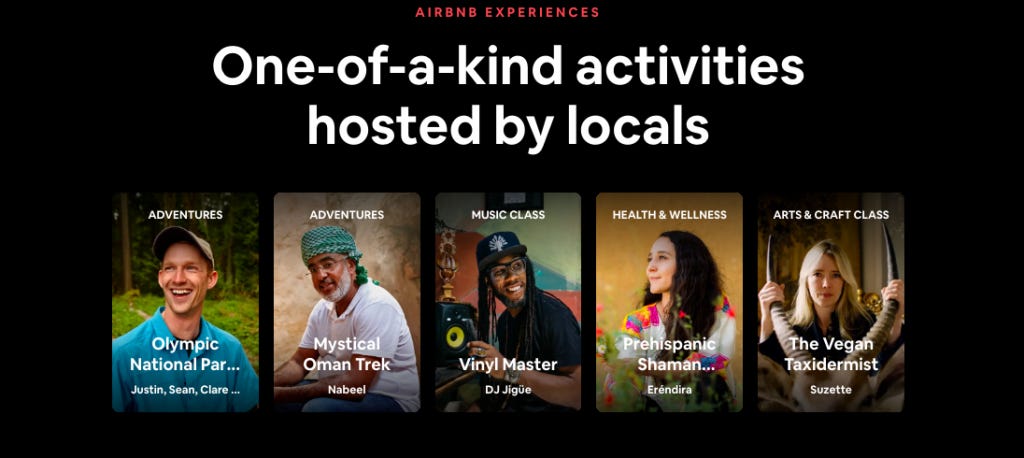
Sample Experiences
Some standout examples of Airbnb Experiences include:
Cooking with Nonnas in Italy: A chance to learn traditional recipes directly from Italian grandmothers.
Street Photography in Tokyo: Guided tours of hidden parts of the city with local photographers.
Urban Beekeeping in London: Opportunities for visitors to learn about beekeeping and taste fresh honey.
Lessons from Airbnb’s Success with Experiences
For businesses, Airbnb’s Experiences offers several lessons:
Listen to the Market: Identifying a gap requires deep listening. By understanding what travelers truly wanted, Airbnb successfully expanded its business model.
Leverage Local Talent: Airbnb empowered hosts to bring their skills to the platform, creating a rich ecosystem of authentic experiences while supporting local creative economy.
Adapt and Test: Early testing and feedback loops in selected markets with willingness to adapt based on feedback ensured a strong launch and continual growth.
Conclusion
Airbnb’s expansion into "Experiences" is a prime example of how businesses can use market research to evolve, meeting emerging needs and diversifying their offerings. By focusing on traveler desires for cultural immersion and providing a unique platform for locals to share their skills, Airbnb succeeded in reshaping the modern travel experience. Through market research and innovation, Airbnb has firmly established itself as more than just a lodging company—it’s a gateway to authentic, memorable travel experiences.Airbnb's journey into “Experiences” is a masterclass in market research and innovation. Originally known for connecting travelers with unique lodging, Airbnb's platform evolved when the company identified an unmet need in the travel industry—travelers were looking for more than just accommodation; they craved authentic, personalized experiences that would make their trips memorable.
Airbnb’s foray into “Experiences” is an illustrative example of how companies might leverage market research to innovate and diversify.